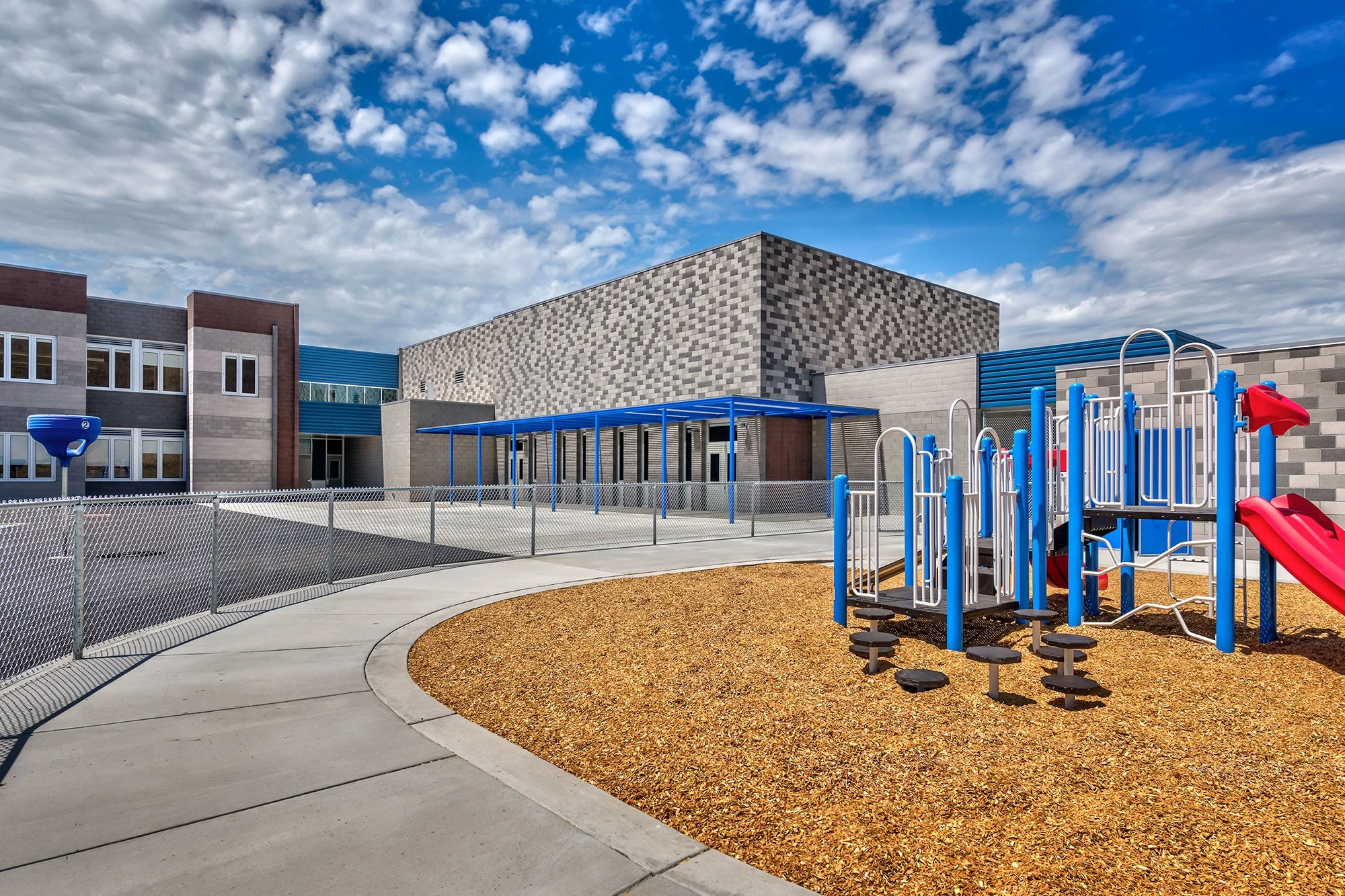
Nick Poulakidas Elementary School
Client |
||
Location |
||
Size |
||
Designer |
||
Photos |
This project is part of a legacy of construction excellence built at a respected Nevada contractor, now carried forward by the Plenium Builders team.
Establishing a New Model for Learning
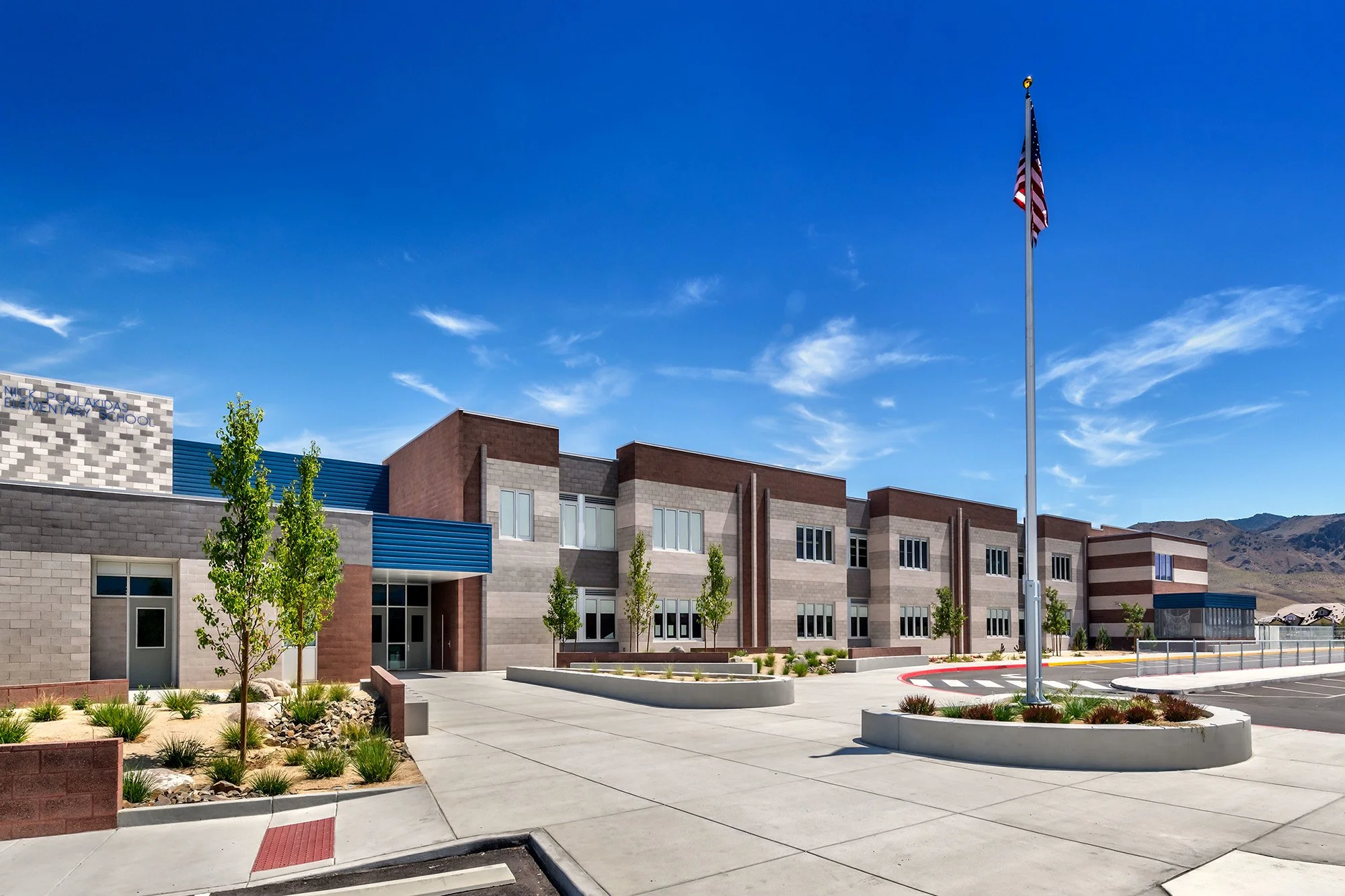
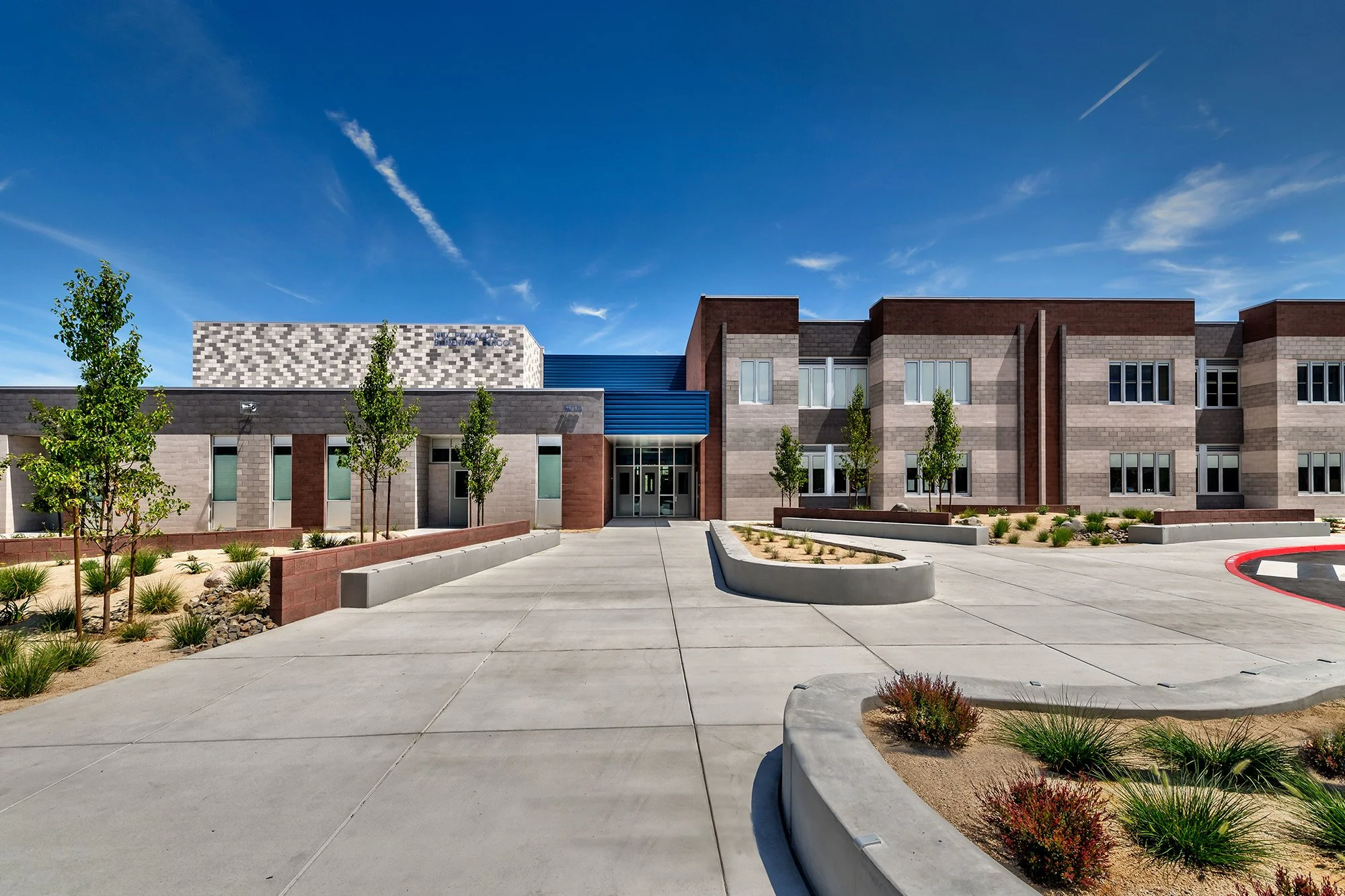
Delivered through a CM-at-Risk process, this first-of-its-kind elementary school marked the beginning of the District’s new generation of learning environments. As the first new elementary campus in Reno in more than a decade, it established the prototype for a series of facilities designed to serve rapidly growing neighborhoods while supporting modern teaching methods.
Collaborative Development and Early Coordination
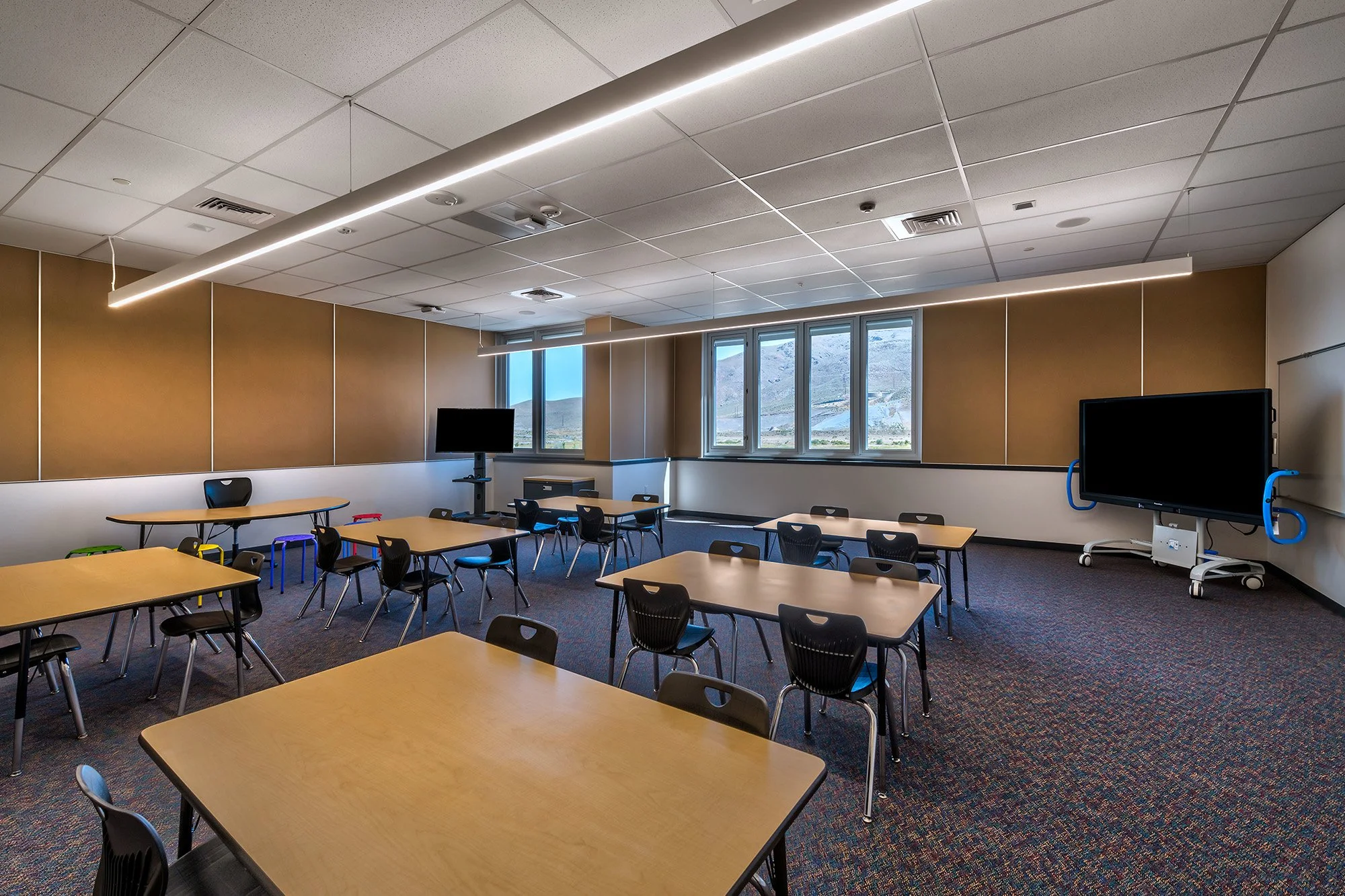
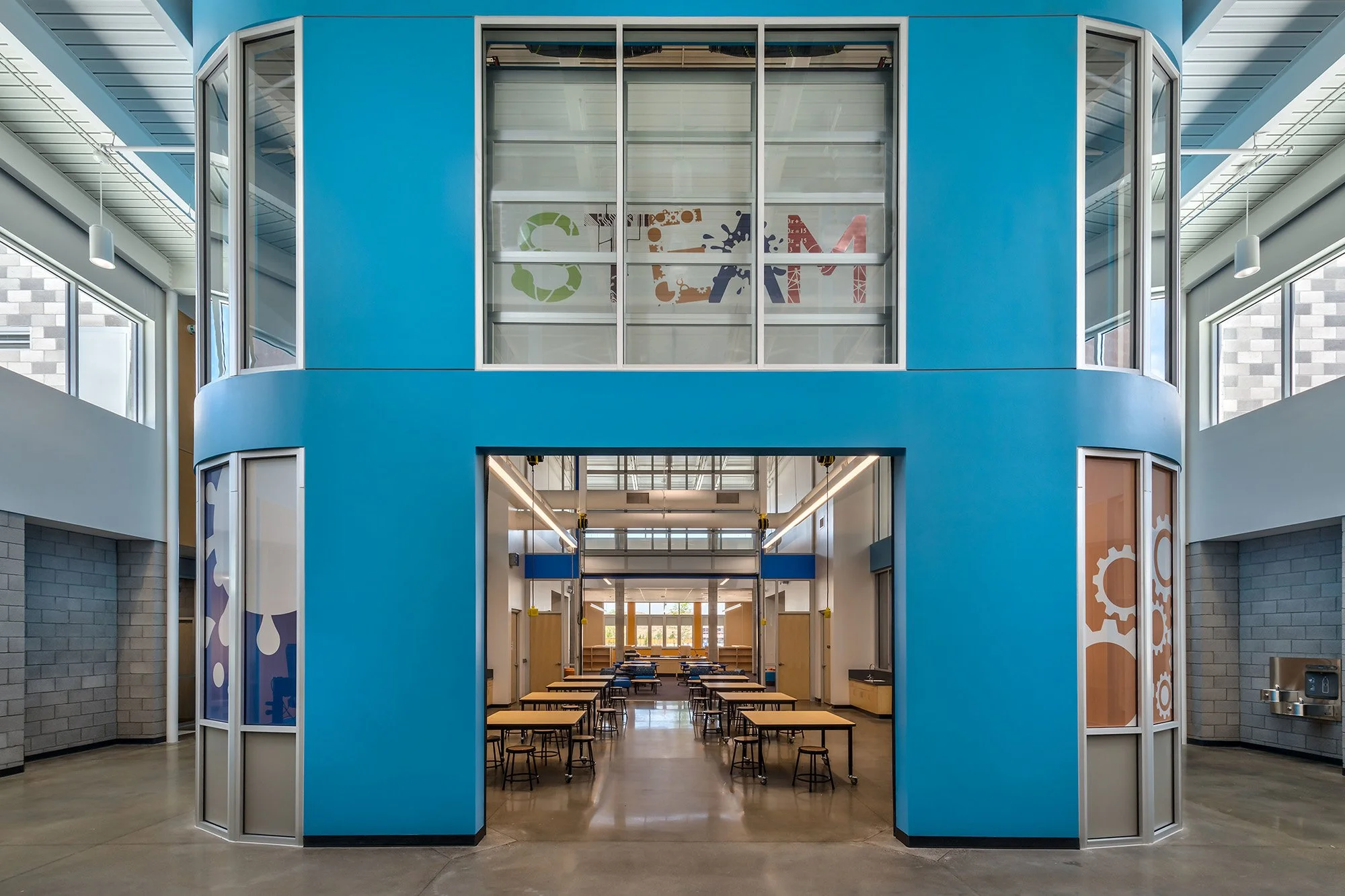
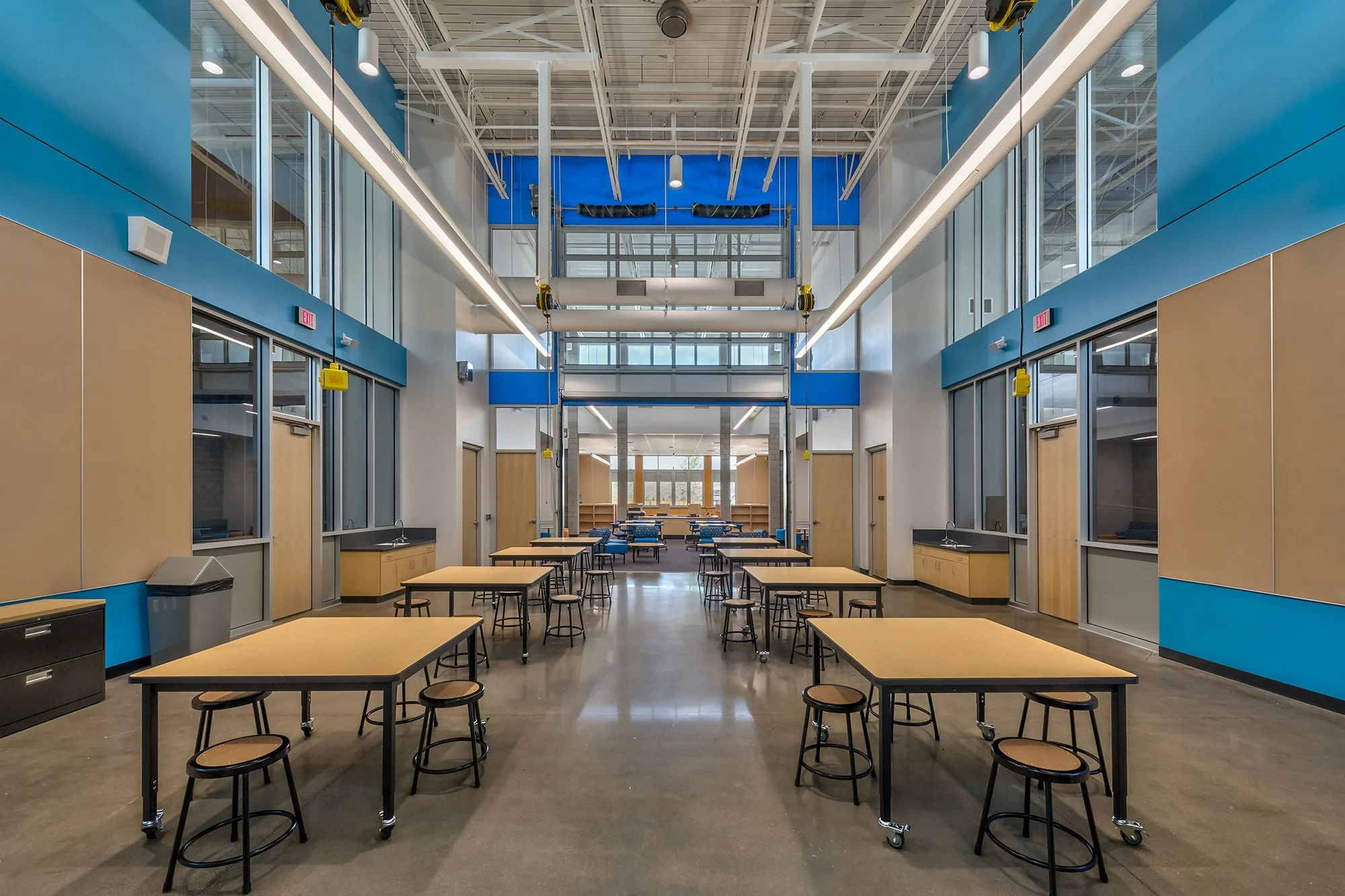
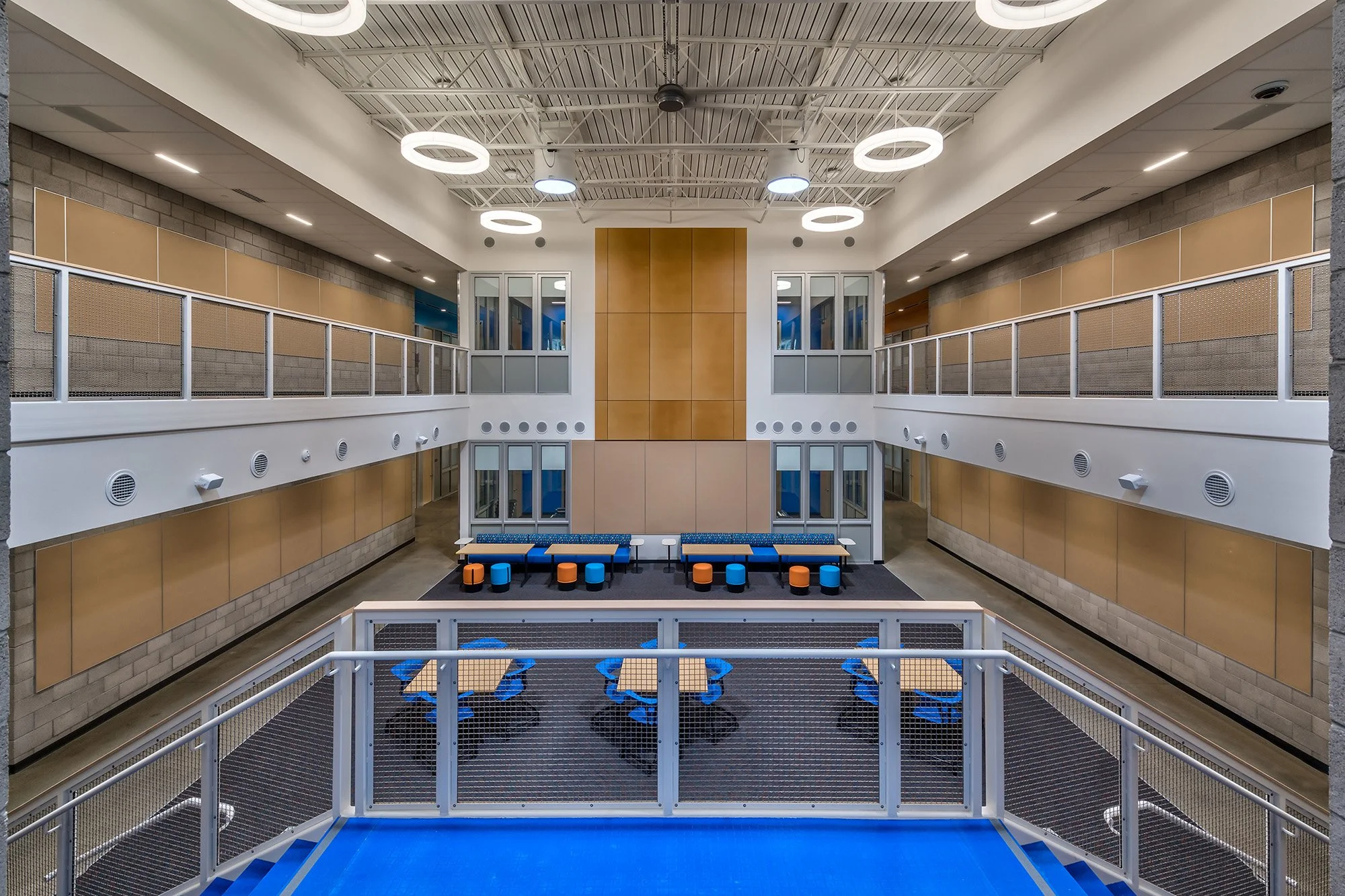
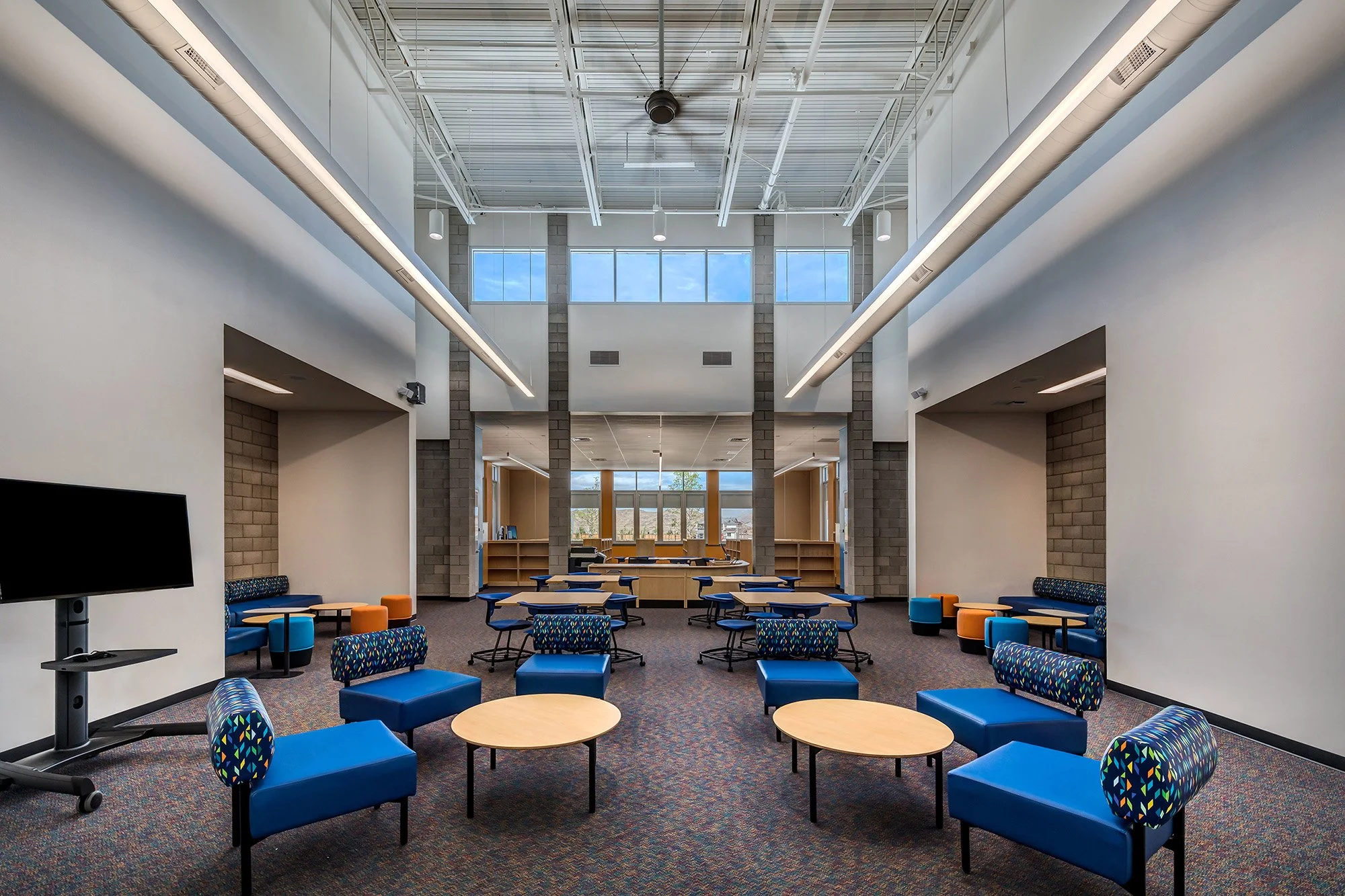
The team worked closely with the architect and District representatives from the earliest planning phases to align scope, systems, and finishes with the District’s updated educational specifications. This process emphasized clear priorities—performance, cost efficiency, and long-term maintainability—while exploring design opportunities that would influence all future schools. Early coordination identified the need for greater flexibility, daylight, and visibility within instructional areas, leading to the creation of shared “Hub” spaces that foster project-based learning and collaboration.
Adapting to New Program Elements
The prototype also introduced features new to the District’s standards, including gender-neutral restrooms, security glazing, and modern access control systems. These required cross-discipline collaboration to integrate architectural, electrical, and safety considerations into a unified design. During preconstruction, the team validated estimates, supported the design team in finalizing developing details, and coordinated early bid packages to keep pace with a schedule tied to the academic calendar.
Execution, Safety, and Lasting Impact
In the field, safety leadership set the tone from day one. A detailed plan, clear expectations for subcontractors, and consistent follow-up resulted in more than 425 days without a lost-time incident. Despite weather and labor challenges, the project met its fixed completion milestone, allowing the District to open the campus on schedule.
The success of this prototype provided a tested, adaptable framework for future schools. Lessons learned on constructability, submittal coordination, commissioning, and BIM integration were applied directly to subsequent campuses. Through open communication, technical diligence, and shared accountability, the project established the foundation of trust and efficiency that continues to guide the District’s elementary school program today.